


Why is peat extraction still a common sight in Ireland?
Coming from the Netherlands, I have never seen peat extraction in practice, or even a single piece of turf, in real life. It’s a relic of our grandparents’ era, something we only know from stories. Turf cutting was largely phased out in the Netherlands during the first half of the 20th century, due to switching to other resources, but also due to consequences like increasing flooding risks and land subsidence. After peat extraction stopped, land was drained for agriculture and settlement, which exposed the remaining peat to air, causing it to decompose (oxidise). This led to continuous subsidence and sinking of much of the western Netherlands; the many lakes and sinking cities like Gouda serve as a stark reminder. In Ireland, however, it’s a different story. Along the west coast and midlands, nowadays peatlands are still actively used for turf extraction, and the smell of burning turf often lingers as you drive through rural areas. Why is peat extraction still happening, what are the consequences, and how does it take place in Ireland?
What is peat/turf?
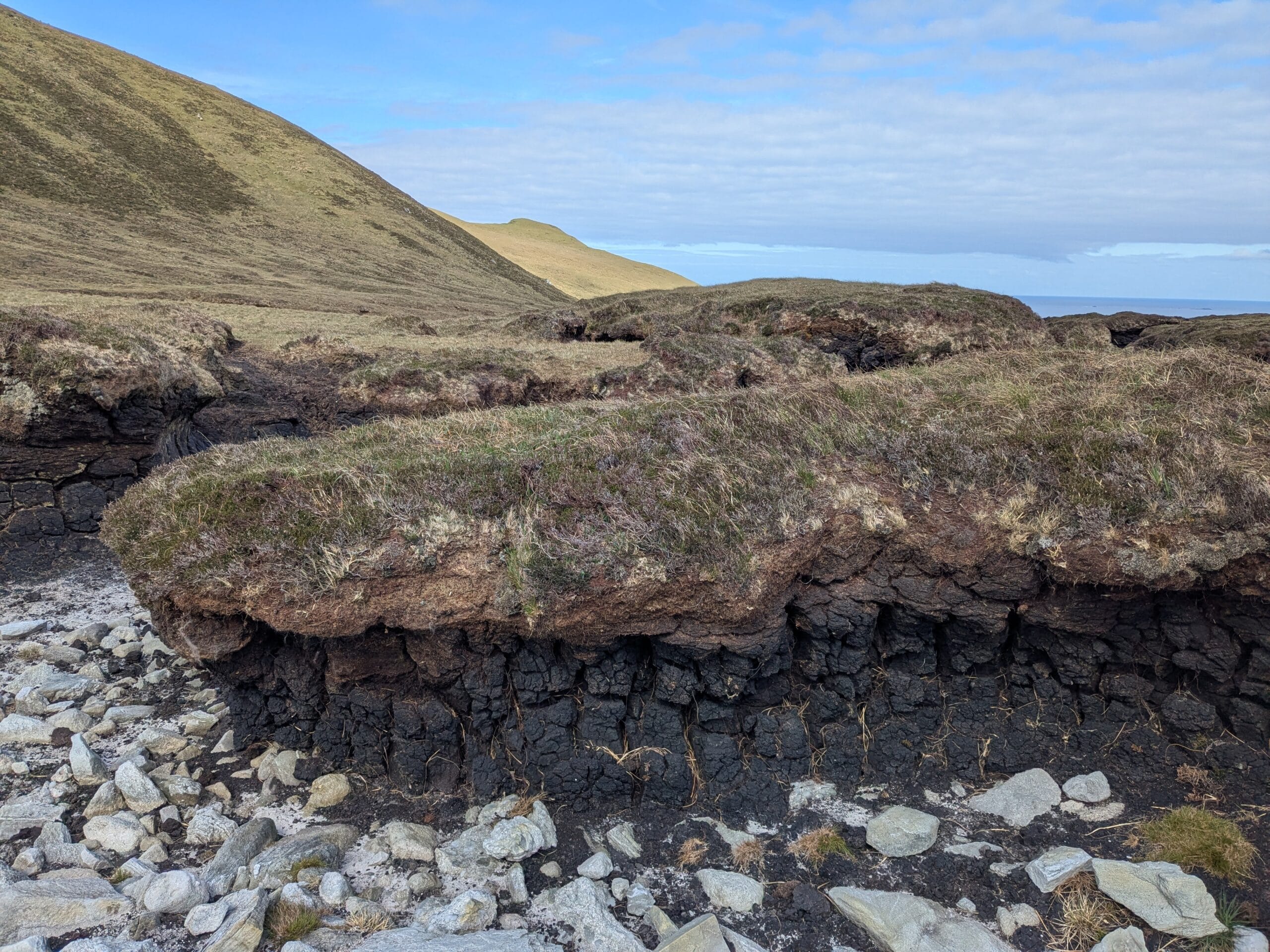
Peat is a type of soil made from partially decomposed plant material that accumulates in waterlogged environments like bogs. Other terms commonly used for specific peatland types are peat swamp forests, fens, or mires. Because these environments are so wet and low in oxygen, plants don’t decompose. Instead, they slowly build up layer upon layer over thousands of years, forming a dense, carbon-rich material known as peat.
Peatlands are also an excellent storage of carbon; they are even known to be the most efficient natural terrestrial carbon store on the planet, storing significantly more carbon than any other soil type. Although they cover only about 3% of the Earth’s land surface, peatlands store nearly 30% of all global soil carbon! This process helps control climate change, keeping billions of tonnes of greenhouse gases out of the atmosphere, provided the landscape remains undisturbed.
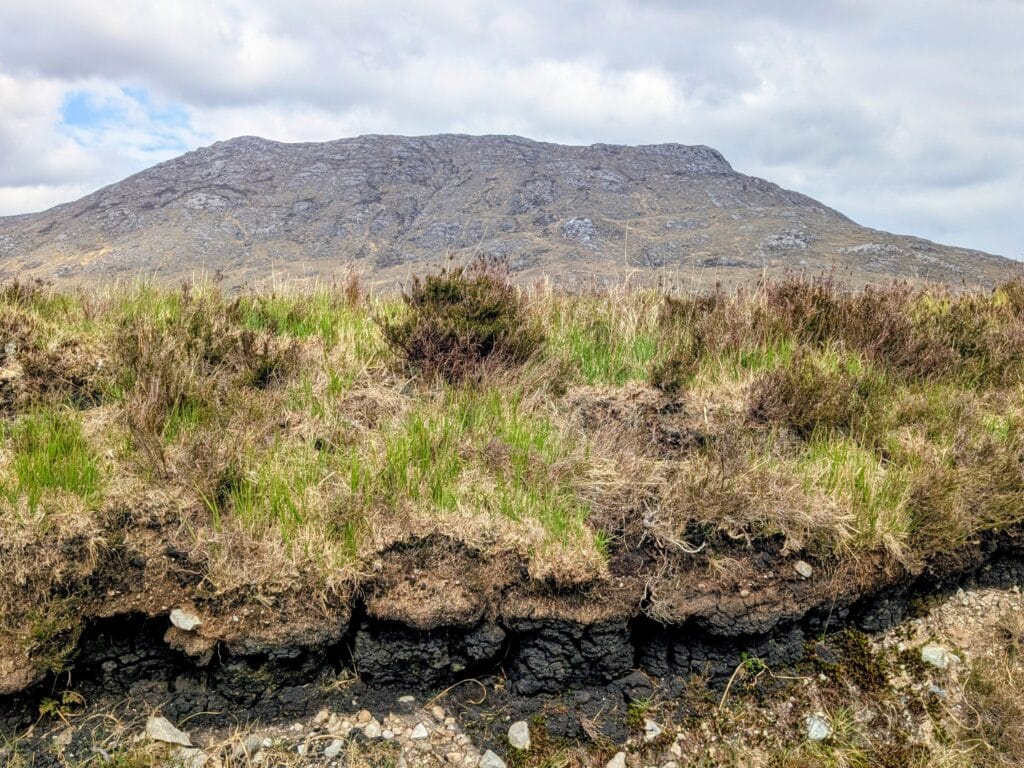
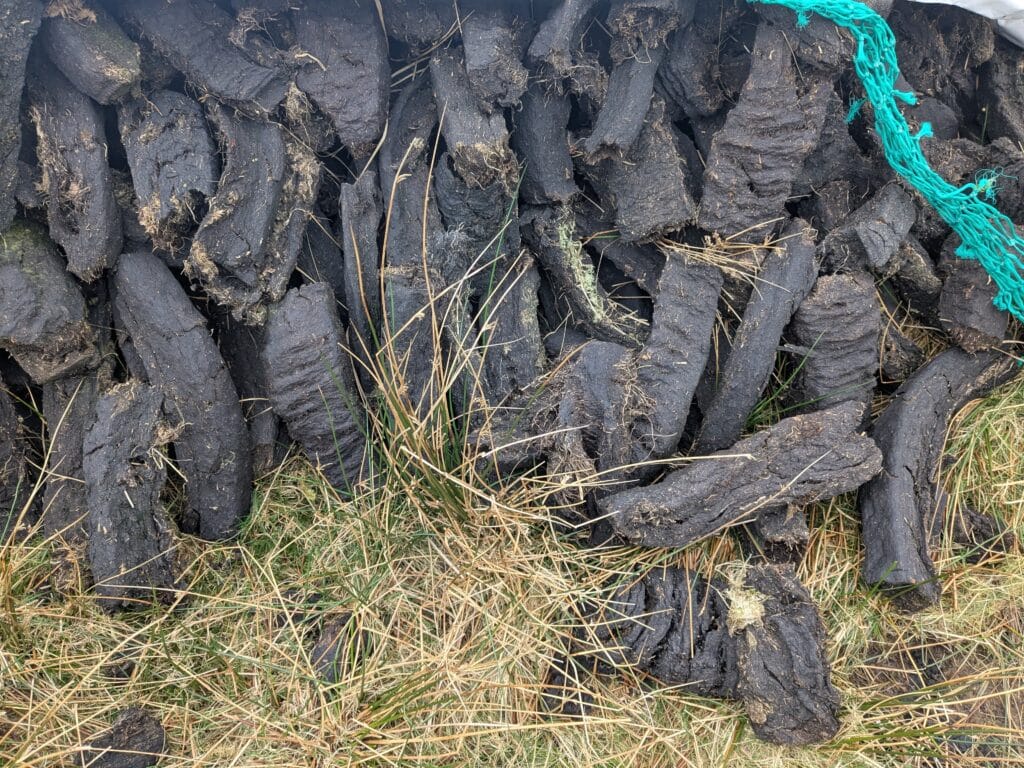
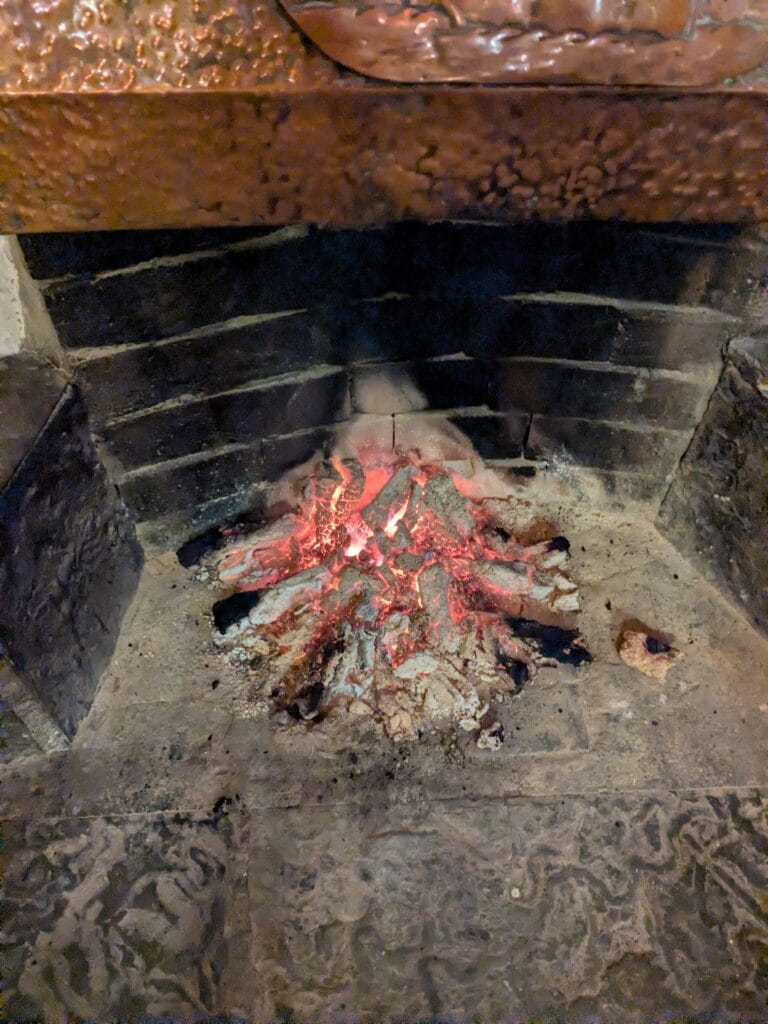
However, historically, peat has been an important energy source. When cut into blocks and dried, it becomes turf, which can be burned for heat. Turf has been used as a fuel since at least the 7th-9th centuries, and by the 19th century it had become a primary household fuel in many peat-rich regions, particularly in areas close to bogs. Beyond fuel, peat has also been widely used in gardening and compost. Unfortunately, cutting and burning peat has huge environmental consequences, especially when you keep in mind it forms extremely slowly (about 1 mm per year) and it stores lots of carbon which is then released into the atmosphere. As awareness of the ecological importance of peatlands has grown, peat cutting has been phased out or reduced in many countries.
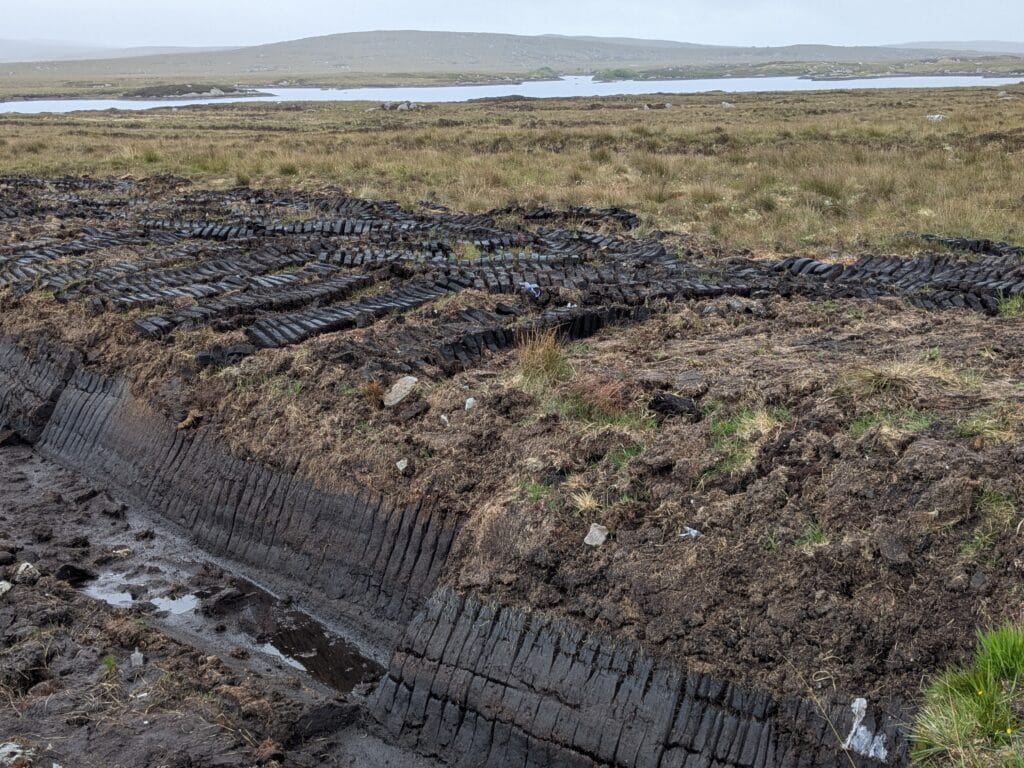
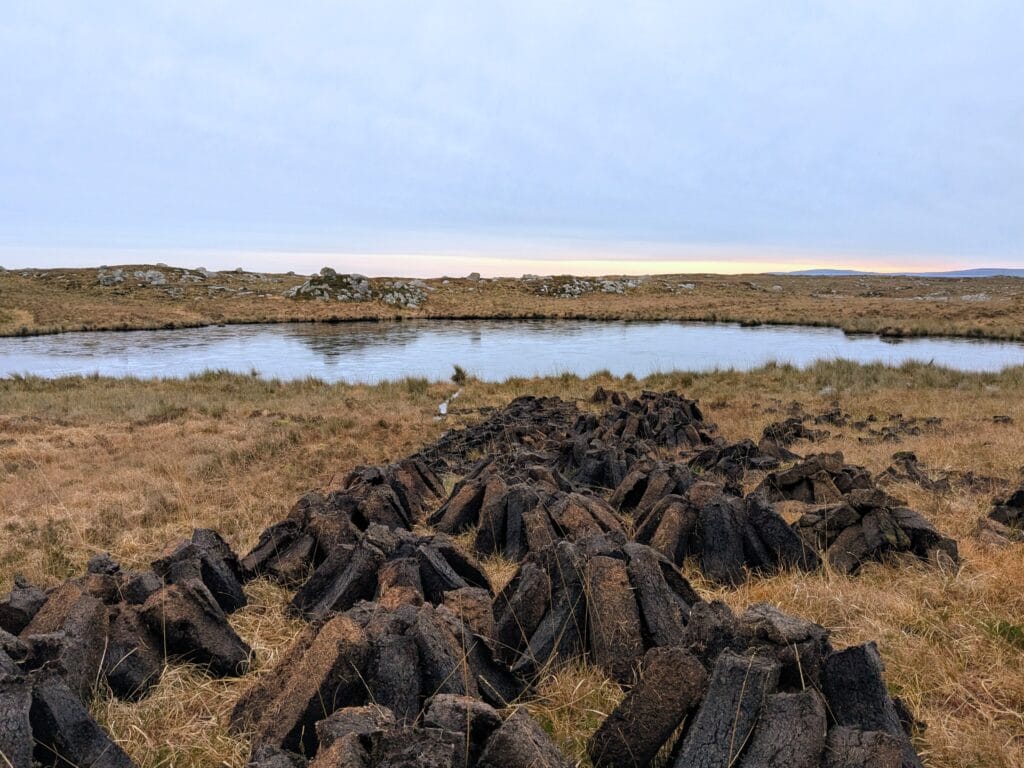
Why is it still a main fuel source in some parts of Ireland?
Turf still shows up a lot in western Ireland for a mix of practical, cultural, and economic reasons. First of all, due to historical rights and rising fuels costs: in many parts of the west, in counties like County Mayo, Galway, or Donegal, people historically had rights to cut turf on nearby bogs. For households with these rights, turf is essentially a local, low-cash fuel source. And currently turf remains an appealing source of fuel, with rising energy costs and oil prices.
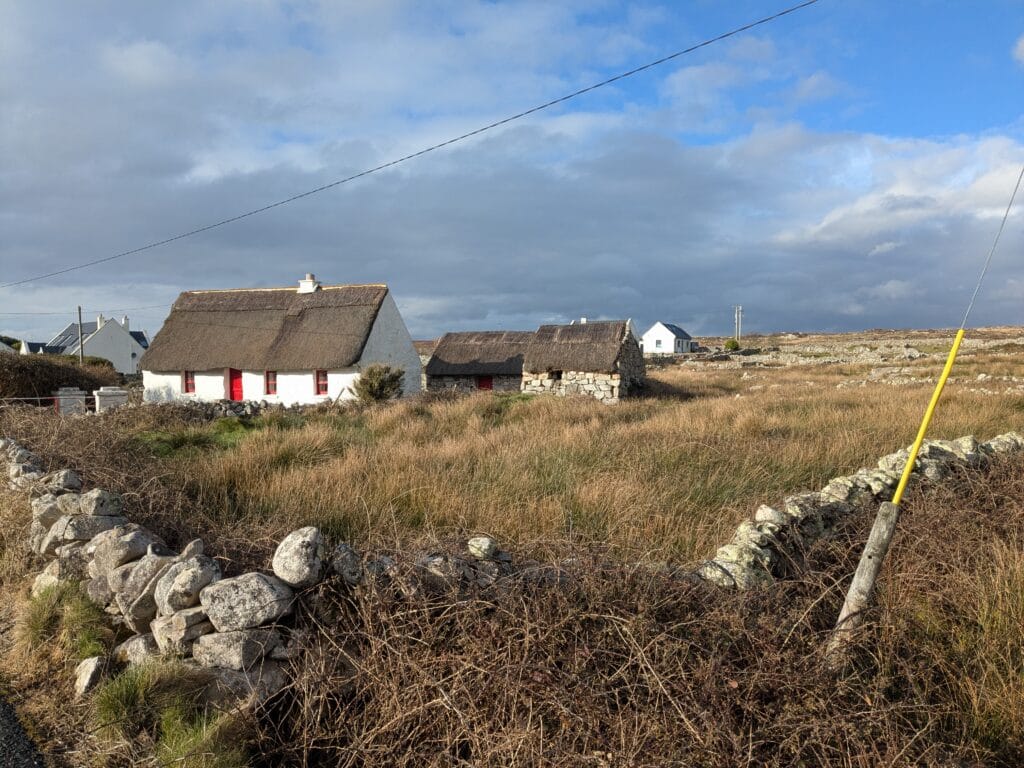
Moreover, homes in rural areas are often set up with open fires or solid-fuel stoves designed for turf. Switching to alternatives (like heat pumps or gas) can be expensive or impractical, particularly in older, dispersed houses. Alternatives aren’t always straightforward. In more remote western areas, options like grid gas don’t exist, electricity costs can be high, and retrofitting homes for low-carbon heating takes upfront investment many households don’t easily have. Cultural attachment plays a big role too. Turf cutting has been passed down from generation on generation and with huge parts of private-owned land in Ireland, it is still a common practice in rural regions. It’s tied to identity and carries meaning for many people growing up in these regions.
What is the environmental impact?
The environmental impact of turf use is rather large compared to how ‘small-scale’ it may seem. It affects carbon storage, biodiversity, and landscape processes. The main impacts are explained below:
1) Carbon emissions (the biggest impact)
Because peatlands are such amazing carbon stores, when turf is cut, dried, and burned, that stored carbon is released quickly as CO₂. Per unit of energy, peat is actually among the most carbon-intensive fuels; often worse than coal. So even a domestic fire represents the release of centuries of accumulated carbon in a single winter.
2) Loss of carbon sinks
Intact bogs don’t just store carbon; they also keep accumulating it. Once they’re drained and cut, they stop acting as carbon sinks and can become net sources of emissions (continuously releasing CO₂ and sometimes methane). This means the climate impact continues even after cutting stops, unless the bog is restored.
3) Biodiversity loss
Irish peatlands are unique ecosystems, home to specialized species like sphagnum mosses, curlew, and rare insects. Turf cutting alters water levels and structure, making it hard for these species to survive. Over time, biodiversity declines and habitats fragment.
4) Loss of the ‘sponge effect’
Because bogs are drained before cutting turf, this changes how water moves through the landscape. Healthy peatlands act like a giant sponge, soaking up and slowing down heavy rainfall. When this ‘sponge’ is stripped away, the results are immediate: faster runoff that spikes flood risks downstream, a loss of the land’s natural resilience to drought, and a surge of sediment and nutrients to enter rivers, resulting in poorer water quality.
5) Landscape degradation and slow recovery
Peat forms extremely slowly. Once removed, it effectively takes centuries to regenerate. Cutaway bogs can remain degraded for decades unless actively restored (e.g., rewetting and revegetation).
How to restore extracted peatlands?
Restoring extracted peatlands is not really about ‘rebuilding what was dug out’, but more about bringing water back and letting the ecosystem restart itself. The core principle is simple: peat only forms under wet, low-oxygen conditions, so peatland restoration mainly focuses on rewetting and stabilising the site. The most critical step is rewetting of the degraded landscape by blocking drains that were cut out for peat extraction, to raise the water table back to the surface. Without this step, dry peat keeps decomposing and emitting carbon.
The surface is further stabilised by, for example, re-establishing peat-forming vegetation or using grasses that help protect the surface while conditions recover. Key species, such as sphagnum moss, are reintroduced or encouraged to return naturally. These mosses act like sponges, holding water and slowly rebuilding peat over time. Furthermore, restoration often needs to consider the whole bog system (not just one cut area), ensuring water levels are consistent and not drained from elsewhere. Finally patience and long-term monitoring are key, because recovery is slow. You might see vegetation return within years, but full peat-forming function takes decades. The goal is a self-sustaining wetland, not a quick visual fix.
In Ireland, large-scale projects led by groups like Bord na Móna are now rewetting former industrial bogs, shifting them from carbon sources back toward functioning ecosystems.
What’s next in Ireland?
Currently new policies and a transition to different fuels are underway. The state has been winding down industrial peat extraction and promoting bog restoration, but small-scale domestic cutting has been slower to phase out. There are also tensions where environmental protections intersect with long-standing local practices, especially where turf cutting intersects with culture, cost of living, and rural livelihoods.
As of June 2025, the EPA (Environmental Protection Agency) in Ireland has identified widespread illegal, large-scale commercial peat extraction, investigating 38 sites across seven counties. These operations, which produce 300,000 tonnes of peat annually, operate without required planning or environmental licenses. The EPA is actively pursuing legal action, and is trying to put an end to (large-scale) peat extraction.
But a just transition remains a big challenge. Through the Just Transition Fund, the government is investing in alternative jobs, retraining, and regional development in former peat-producing areas. The idea is to move away from peat without leaving communities behind, but it remains a sensitive topic. Through environmental education, the offering of sustainable alternatives, and targeted subsidies, Ireland is attempting to find a balance between urgent climate goals and the socio-economic realities of rural life.
By Viola van Onselen – PhD (specialised in Nature-based Solutions)